
x
Stiff knees, aching fingers, and that familiar pull in the lower back can slowly rewrite daily life, turning simple tasks into careful negotiations. As new research, Canadian care standards, and practical lifestyle shifts evolve, more people are discovering flexible, blended ways to dial down discomfort and move with confidence again.
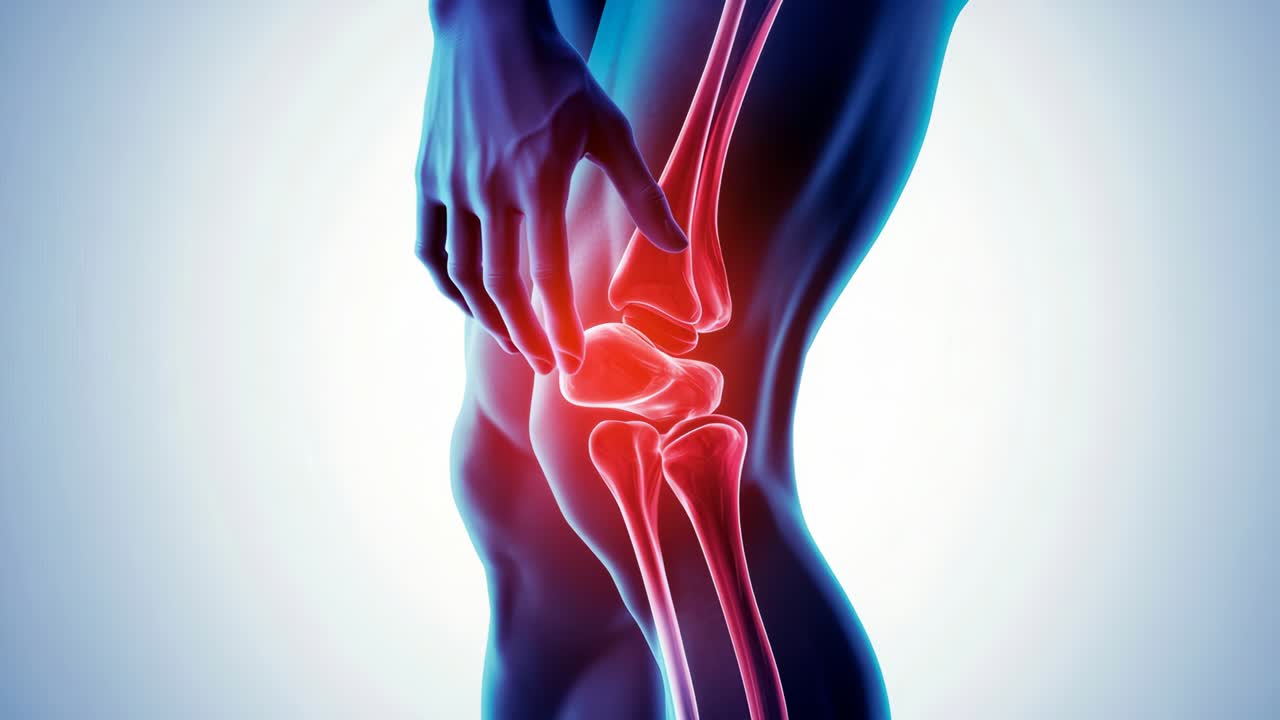
Pain that starts in the knees, hips, or fingers rarely stays politely in one place. When cartilage thins and joint spaces narrow, the body automatically changes how it stands, walks, and lifts. Muscles tighten to “guard” the sore area, then nearby joints quietly take on extra work. A stiff knee makes the hip twist, the pelvis tilts, and the spine has to bend or rotate just a bit more with every step. At first, it is just a mild tug in the lower back after a long day. Over months, that small compensation hardens into habit, and a single unhappy joint slowly recruits the whole body into the discomfort.
Many people struggle to describe what they feel: sometimes it is a sharp jab inside a joint, sometimes a dull ache spreading through a whole region, sometimes a line of pulling down the thigh or into the buttock. Nerves, muscles, and joint tissues send signals together, and the brain receives a “group message,” not a tidy label. When similar inflammatory processes show up in several joints, the nervous system can become more alert overall. The volume knob on pain turns up, so even small irritations feel bigger and seem to jump from place to place. Poor sleep and low mood push that volume higher still, making everyday activities feel far more punishing than they look from the outside.
Tablets, creams, and patches have a real place: they can quiet a flare so someone can walk the dog, climb the bus steps, or finally sleep through the night. Yet they mostly work by dampening inflammation or interrupting pain messaging; they do not rebuild cartilage, rebalance muscles, or reset posture. If nothing else changes, the same forces that irritated the joints yesterday will irritate them tomorrow. People often notice that the gap between doses shrinks and the “good hours” get shorter. Using medication as the only strategy is like turning down the smoke alarm without looking for what is burning in the kitchen.
When pain spikes, cutting back activity for a short time gives irritated tissues space to settle. The trouble starts when every ache is treated like a strict “do not move” order. Days of near‑total rest weaken muscles, stiffen tendons, and make joints feel even rustier. Then, when life demands a heavier grocery bag carried or a flight of stairs climbed, the body has less strength to cope and hurts more, not less. Helpful rest looks different: shorter stints of gentle movement sprinkled between brief breaks, rather than long, motionless stretches on the couch.
| Approach mix | Potential upsides | Common pitfalls |
|---|---|---|
| Medication‑only focus | Quick symptom quieting, easier sleep, short bursts of activity possible | Rising doses over time, little change in mobility or strength, frustration when pain returns |
| Rest‑heavy days | Less irritation during acute flares, sense of short‑term safety | More stiffness, weaker muscles, harder to restart activity, growing fear of movement |
| Blended plan (meds + movement + habits) | Better function, fewer disruptive spikes, more control over daily choices | Needs patience, trial‑and‑error, and support to build routines |
Combining tools, instead of leaning on a single “hero,” gives the body more ways to cope and more chances to adapt in a safer direction.
Joints tend to prefer “little and often” over “rare and intense.” Long periods of sitting, standing, or driving let tissues cool down and stiffen, so the first steps afterward feel like walking on rusted hinges. Gentle range‑of‑motion moves—slow knee bends within comfort, ankle circles, easy hip swings, small pelvic tilts—help bathe joint surfaces with fluid and keep nearby muscles from locking up. Short walks at a relaxed pace, light cycling, and water‑based movement are kinder to sore joints and backs than pounding runs or deep squats. Even a few minutes, repeated through the day, gradually build stamina without overwhelming sensitive tissues.
Simple changes in the home and work environment can take surprising load off joints and spine. Supportive footwear with cushioning and a stable base softens each step, so knees, hips, and lower back do not absorb every shock from hard floors or sidewalks. In standing areas, a cushioned mat can do the same job. Seat height matters: very low chairs make standing up punishing on knees and hips; very soft cushions let the pelvis roll backward, forcing the lumbar spine into a rounded slump. A firm chair with feet flat, hips slightly above knees, and a small support at the low back often feels much kinder. At night, a pillow between the knees when side‑lying, or under the knees when lying on the back, reduces twisting and arching that might otherwise stir up morning stiffness.
The way everyday tasks are done often matters more than how heavy they look. Bending from the waist with straight legs to pick up laundry or pet food makes the lower back act like a crane boom, taking the bulk of the strain. Allowing knees and hips to bend, keeping the load close to the body, and using the legs to push back up spreads the work across stronger muscles. Dividing a big load into two smaller bags, sliding objects instead of hoisting them, or asking for help with truly heavy items are not signs of weakness; they are simple ways to protect joints that already carry a lot.
No single food can switch off joint disease, but overall eating patterns shape how “irritable” the body feels. Meals rich in colourful vegetables and fruits, reasonable amounts of quality protein, and fats from less processed sources support tissues, energy, and mood. Heavily processed, sugary, or deep‑fried options tend to leave people feeling more sluggish and may nudge inflammation in the wrong direction. Body weight also affects load: every step asks sore knees, hips, and backs to support the full person. Even modest, steady shifts toward a lighter frame can ease that pressure enough for many to notice smoother stairs or longer walks before discomfort kicks in.
Warmth often soothes stiff joints and tight muscles by improving blood flow and relaxing guarding. A warm shower, heated pack, or wrapped hot‑water bottle on a grumpy knee or lower back before gentle movement can turn “no way” stiffness into “okay, slowly.” The goal is pleasant warmth, not burning heat, and short sessions with skin checks in between. Cool packs are better suited to hot, swollen, freshly irritated areas, or to calm things down after a busier day. A thin cloth between pack and skin, and brief applications, reduce risk. Personal preference matters: some bodies lean toward heat, others toward cold, and experimenting within safe limits is welcome.
The nervous system is like the body’s volume control. Poor sleep, constant worry, and relentless busyness can all push sensitivity higher, making every signal feel sharper. Simple wind‑down habits—dim lights, quiet sounds, gentle stretches before bed, slow breathing that lengthens the exhale—help send “you are safe enough to rest” messages. During the day, micro‑breaks that involve something absorbing but low‑effort, such as listening to a favourite voice, crafting, or looking at trees or water, give the brain something to hold besides discomfort. Pain may stay, but it no longer takes up the entire stage.
What Arthritis Treatment Options are commonly recommended in Canada?
In Canada, arthritis care often combines exercise therapy, weight management, joint‑friendly activities, medications (like NSAIDs or DMARDs for inflammatory types), joint injections, and, in advanced cases, surgical options such as joint replacement, guided by a rheumatologist or family doctor.
Which Joint Pain Relief Methods can I try at home before seeing a specialist?
You can start with activity pacing, low‑impact exercise, heat or cold packs, over‑the‑counter pain relievers if appropriate, and simple supports like braces; if pain lasts more than a few weeks or worsens, book an assessment with your healthcare provider.
What Back Pain Therapy in Canada is available beyond basic painkillers?
Beyond medications, Canadians commonly use physiotherapy, chiropractic care, exercise programs, cognitive‑behavioural strategies, acupuncture, and, when needed, image‑guided injections; most guidelines prioritize staying active and early rehab over prolonged rest.
What Arthritis Management Tips are especially useful for long‑term control?
Focus on regular joint‑friendly exercise, maintaining a healthy weight, protecting joints in daily tasks, monitoring flares, optimizing sleep, quitting smoking, and following treatment plans; early referral to a rheumatologist is key for inflammatory arthritis.
Which Joint Pain Relief Strategies work best for chronic back or joint issues?
Multimodal care works best: structured exercise, core and muscle strengthening, ergonomic adjustments at work and home, mental health support, and tailored medications; in Canada, combining primary care follow‑up with allied health services improves long‑term outcomes.