
x
Wondering what your house is really worth and how far a Zoopla-style online estimate can take you? This guide explains how digital valuation tools, market data and certified property valuers near you fit together when you need a reliable view of your home’s value.
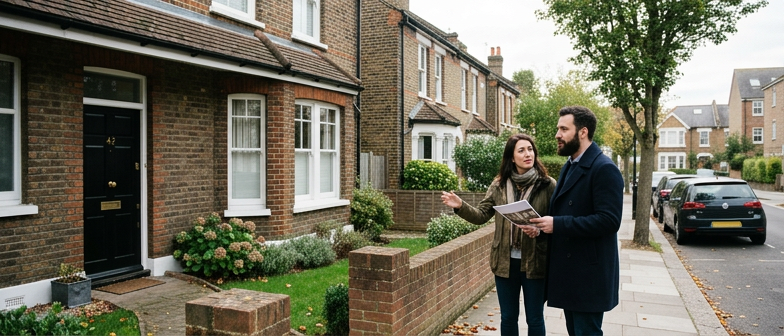
When people ask what their house is worth, they are usually trying to see how it fits into the current market rather than chase a single exact figure. The value of a home is shaped by recent local sale prices, the property’s condition and age, energy performance, transport links, schools and wider economic factors such as interest rates. Online valuation tools, including services that estimate the likely value of a home using data similar to that used by Zoopla, compare your property with recent nearby sales to suggest a range. These automated figures give a quick, accessible indication but rely on available data and broad assumptions, so they may not reflect unusual features, recent refurbishments or very local demand.
Because of these limits, owners often combine online estimates with professional opinion when they need a more dependable figure, for example before marketing a property or entering price negotiations. A common approach is to review automated estimates and local sale evidence, then ask a local estate agent or a chartered valuation surveyor for an in‑person appraisal or formal report if more precision is needed. Professional valuers inspect the home, consider its specific characteristics and use recognised methods, which helps produce a figure that is more suited to uses such as mortgage security, probate or tax. Seeing online tools and in‑person valuations as complementary makes it easier to choose the right approach and to remember that any figure is an informed estimate rather than a guaranteed sale price.
Online valuation tools use recent local sales, property type, size and location to estimate what a home might be worth. Services that let you check an approximate value of your house online draw on large databases of listings and sold prices, using statistical models to spot links between similar homes. They are useful for getting a quick value range and for seeing how that range shifts as the market changes. However, they may miss unique features such as high quality refurbishment, an unusually large garden or the precise condition of the building, because these details are not always recorded accurately in the data.
To give any online estimate proper context, it is helpful to compare it with wider market information such as tools that show local house price trends and official records of prices paid for completed sales. Looking at how values have moved in your local authority or postcode, and comparing actual sale prices for similar nearby properties, can show whether an automated figure looks broadly realistic or out of line. This kind of cross‑checking does not replace a full professional valuation, but it can provide a more rounded view of recent selling prices and local demand before speaking to an agent or surveyor.
| Source | Key features | Typical accuracy | Best use cases | Cautions |
|---|---|---|---|---|
| Online valuation tools, e.g. Zoopla house value checks | Automated estimate from nearby sales and property details | Moderate for standard homes | Quick sense check before speaking to an agent | May overlook condition, upgrades and unique plots |
| Official price paid data | Recorded sale prices for completed transactions | High for past agreed prices | Benchmark against similar local properties | Shows historic figures, not current marketing expectations |
| House price trend tools | Aggregated movements in local price levels | Broad view of direction | Judging whether the area is rising, stable or cooling | Less helpful for precise value of an individual home |
| Combined online estimate and official data | Cross‑checked figure using several sources | Higher when sources align | Informing discussions with agents or surveyors | Still not a substitute for a full professional valuation |
Online valuation tools, including services that answer questions such as “What is my house worth?” by drawing on recent sales and local trends, are best treated as a starting estimate. After checking a figure on a site like Zoopla, compare it with official price‑paid records for similar properties in your street or postcode to see whether the estimate falls within the range of recent actual transactions.
To understand market direction, review official house price trend data for your area alongside the online estimate. If the website suggests sharp rises but the trend figures look flat, the difference may reflect property condition, unusual sales or limited recent data. Treat both sources as evidence to weigh up, check that the homes you compare are genuinely similar, and, where numbers differ markedly, consider asking a regulated valuer for a tailored opinion.
Online estimates and informal market appraisals are useful for a broad sense of price, but some situations call for a formal valuation by a chartered valuation surveyor. This is typically required for legal, tax or lending purposes, such as securing a mortgage, dealing with inheritance or divorce, shared ownership staircasing, or specific tax assessments. In these cases the figure must be based on a structured inspection and recognised methodology so that courts, lenders, solicitors or public bodies can rely on it.
A professional valuation is different from an estate agent’s appraisal because it has to follow technical and ethical standards. Many valuers belong to the Royal Institution of Chartered Surveyors and work to its valuation and home survey standards, which set out levels of inspection and reporting. The surveyor will consider the property’s condition, comparable sales and local market trends in a consistent way, recording how the opinion of value was reached and any assumptions or limitations.
If you are looking for property valuers in your area, it is sensible to consider firms that clearly employ chartered valuation surveyors and are regulated by a recognised professional body. Certified valuers are usually required to undertake ongoing training and may be subject to complaints procedures and monitoring, which can add reassurance about the quality and independence of their advice. Before instructing anyone, you can ask about their qualifications, whether they follow RICS home survey standards, and whether their report is suitable for the purpose you have in mind.
If you want a regulated opinion rather than an online estimate, start with the official directory of chartered surveying firms and filter for valuation work in your area. This helps you find practices that follow recognised standards for inspecting homes and reporting on value, instead of relying only on informal views from local agents or friends. You can usually narrow results by location, property type and the purpose of the valuation, such as selling, remortgaging or shared ownership.
Before instructing anyone, check that the individual surveyor is properly qualified and currently regulated through the public register for chartered valuation professionals or another recognised register. Confirm how they assess market value, what is included in the written report, their fee structure, and whether they hold suitable professional indemnity insurance. These checks help you distinguish between genuinely certified valuers nearby and broader property services that do not provide formal valuation opinions.
A home’s value is shaped by location, demand and the wider economic climate rather than a single online estimate. School catchment areas, transport links, noise, access to green space and local amenities all affect prices, while interest rates and lending rules influence how many buyers can proceed. Online valuation tools, such as those that analyse nearby sold prices and market trends, provide a useful guide, but the figure needs to be viewed alongside what is actually happening in your street and surrounding neighbourhood.
The physical and legal state of the property is just as important. Size, layout, energy performance, overall condition and recent improvements all influence what buyers are willing to pay, and issues raised in a survey that follows recognised professional standards may lead to renegotiation. Clear legal title, correct permissions for past alterations and the remaining term of any lease can support or reduce value. Combining an online estimate, local price evidence and, where appropriate, a report from a qualified surveyor helps build a more balanced view of likely market value.
How accurate is an online estimate when I want to know what my house is worth?
It usually offers a broad guide based on nearby sale data, but it cannot fully reflect recent upgrades, unusual layouts or very local demand, so treat it as an initial indication rather than a precise figure.
Which main factors currently affect the value of my house?
Important influences include recent local sale prices, property size, condition and age, energy rating, access to schools and transport, local amenities and wider economic trends such as interest rates.
How can I check an online Zoopla-style valuation against official records?
Compare the suggested figure with recent price‑paid data for similar homes in your street or postcode, focusing on type, size and condition to see whether the estimate sits within the local sale range.
When should I use certified property valuers near me instead of an online tool?
A regulated valuation is generally required for mortgage lending, inheritance, divorce, shared ownership staircasing or tax assessments, because these situations need an inspected figure in a formal report.
How do I find regulated property valuers in my area?
Use professional directories of chartered surveyors, filter by location and valuation work, then check each firm’s experience with similar properties and with the type of valuation you need.