
x
If you’re comparing dentures, single implants, or full mouth options on a tight budget, this guide helps you judge when implants are worth the cost, what drives prices, and how to find realistic, lower‑cost treatment or repair options near you.
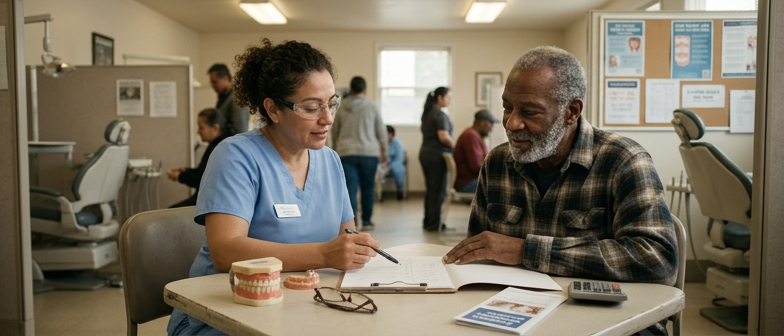
Dental implants are small titanium posts that act like artificial tooth roots and support a crown, bridge, or full set of replacement teeth. Unlike removable dentures or traditional bridges, this type of implants dental treatment is fixed in place, feels closer to natural teeth, makes chewing easier, and helps protect the jawbone from shrinking. Individual dental implants can also avoid shaving down healthy teeth for a bridge and often boost confidence when speaking or smiling. When you think about affordable dental implants, it helps to look beyond the initial price and consider decades of comfort, function, and fewer dental emergencies.
Full mouth dental implants are usually recommended when most or all teeth in a jaw are missing or badly damaged, while individual implants are used when only one or a few teeth need to be replaced. A full arch option can provide stable, natural‑looking teeth when loose dentures or constant repairs are wearing you down, but it is a major investment that should be weighed against your overall health and daily quality of life. Both full mouth and single implant solutions can be worth the cost if they let you eat a wider range of foods, protect your jawbone and facial shape, and avoid the repeated replacement cycle that can make cheaper options more expensive over time.
For many people, the most familiar option is an individual dental implant, which replaces one missing tooth at a time. This tends to have the lowest cost per visit but can become expensive if several teeth need treatment, because each implant needs separate planning, surgery, and a custom crown. In comparison, full mouth dental implants use a smaller number of posts to support an entire arch of teeth. The total price is higher, yet it can be more efficient than placing many single implants. When you compare these solutions, look at both cost per tooth and long term value, including how stable they feel and how much normal chewing and confidence you regain.
Same day dental implants place a temporary tooth or bridge on the posts shortly after surgery instead of waiting months. This can reduce appointments and deliver faster results, but convenience usually comes with higher fees because it needs careful planning, advanced imaging, and fast lab work. Not every mouth is a good candidate for immediate teeth. If your bone, gums, or bite are more complicated, your dentist may suggest a staged approach that takes longer but is more predictable and sometimes more affordable, especially for people watching their budget.
Every type of implant solution also has future maintenance costs, which matter when you are looking for affordable dental implants. If a crown chips, a screw loosens, or bone changes around a post, you may need to fix a dental implant, and fees rise as more teeth are involved or access is harder. A full mouth case can be costly to repair at once, but regular cleanings, X rays, and checkups help catch problems early. Asking about common repair needs, expected lifespan, and how design choices affect both initial and ongoing costs can guide you to an option that fits your finances and supports your health.
| Implant Option | Treatment Complexity | Typical Timeline | Maintenance & Repair Impact | Best Suited For |
|---|---|---|---|---|
| Individual Dental Implants | Low to medium | Staged, slower overall | Simpler single‑tooth fixes | Isolated gaps, budget spread over time |
| Multiple Single Implants | Medium to high | Staged over several visits | More parts to monitor | Several missing teeth, strong bone support |
| Full Mouth Dental Implants | High, full arch planning | Longer initial process | Repairs affect many teeth at once | Extensive tooth loss, seeking full smile rebuild |
| Same Day Dental Implants | High, precision‑dependent | Fast visible results | Closer follow‑up, possible adjustments | Good bone and gums, priority on speed |
| Implant Repair or Fix Dental Implant | Varies by issue | Shorter, targeted visits | Costs rise with affected area | Existing implant users protecting long‑term value |
Full mouth dental implants replace an entire arch of teeth by placing several implants that support a fixed bridge or denture. Because the overall fee is spread across all missing teeth, the cost per tooth is often lower than restoring each space separately. When you compare full mouth dental implants near you, you usually see bundled packages that include extractions, temporary teeth, lab work, and follow-up visits, which can make dental implant prices easier to review as a single treatment plan.
Individual dental implants work well when you are missing one or a few teeth and want each crown to look and function like the natural tooth it replaces. They often involve more separate parts and lab steps for each space, so the price per implant can be higher than within a full arch system, but you only pay to restore the specific gaps in your smile.
Same day dental implants place a replacement tooth on the implant post right after surgery, so you leave with a visible tooth instead of a gap. Fewer visits and less time off work can make this feel like a more affordable dental implant option, but it is not right for everyone. Bone quality, gum health, bite, and medical issues all affect whether immediate loading is safe, and rushing can raise the risk of failure and higher long‑term costs.
If you already have implants, ask whether your dentist can fix a dental implant instead of replacing it completely. The titanium post is often still healthy, so repairing the crown, abutment, gum tissue, or bite may be enough and can cost less than new surgery. Always compare prices, insurance coverage, and payment plans so any repair or same day approach truly supports a budget‑friendly treatment plan.
When people start comparing dental implant prices, the biggest driver is how complex their case is. Replacing a single tooth with one implant usually costs far less than rebuilding a whole smile, because full mouth treatment needs more surgery, parts, and chair time. Advanced diagnostics such as 3D scans and digital planning add upfront cost but can lower the risk of complications. The type of procedure also matters: a simple placement in healthy bone is usually more affordable than cases needing extractions, bone or sinus grafts, staged surgeries, or extra anesthesia and follow‑up visits. Even when someone is looking for more affordable dental implants, the dentist still has to include safe techniques and enough after‑care to protect healing.
The implant system and components also influence what you pay. High‑quality implants dental systems and custom abutments are made to strict standards, and those parts, lab fees, and the final crown or bridge are all built into the total. A well‑trained, experienced provider may charge more, but careful planning, surgery, and restoration can reduce the chance of future repairs. Location and office overhead matter too, since big‑city practices usually face higher costs than small‑town clinics. Understanding these factors helps you decide whether a quote is truly affordable instead of just chasing the lowest number without considering quality or long‑term value.
When money is tight, start by gathering information so you can compare dental implant prices instead of assuming they are out of reach. Call several offices and ask for written estimates for one implant and for full mouth options, and confirm what is and is not included, such as extractions, bone grafts, and the final crown or bridge. Explain that you are looking for affordable dental implants and need to see the full cost over time, not just the surgical fee, so you can judge whether a single tooth, a small bridge, or full mouth treatment makes sense for you.
If you need dental implants for low income, look beyond private practices to community health centers, public dental clinics, and dental schools that teach implant dentistry. These settings may offer reduced fees, income‑based sliding scales, or supervised student treatment that lowers costs for a single tooth or more extensive work. Some nonprofit clinics work with charities or grant programs to help adults who need major reconstruction, including full mouth solutions, so ask directly about any financial‑assistance or hardship programs for implant care.
To find full mouth dental implants near me at a manageable cost, search for safety‑net clinics, teaching hospitals, and other trusted providers in your area and confirm their implant experience and payment policies. Ask whether they divide the total fee into stages, offer in‑house payment plans, or work with medical credit companies, and review all interest and fees before you agree. If you have dental insurance, check whether it helps with extractions, scans, or dentures that attach to implants so you can use that coverage to reduce the remaining balance.
When are dental implants worth the cost compared with dentures or bridges?
They are usually worth it when you want long‑term stability, stronger chewing, and better bone preservation. Implants act like artificial roots, feel more natural, and avoid shaving down healthy teeth for a bridge.
What is the difference between individual dental implants and full mouth treatment?
A single implant replaces one tooth with its own post and crown. Full mouth options use a few implants to support an entire arch. The total fee is higher, but the cost per tooth is often lower than many separate implants.
How do same day dental implants change price and risk?
They can cut visits and time off work, but they require good bone and gum health. If immediate loading fails, extra surgeries and repairs can make treatment more expensive than a standard timeline.
What factors drive the price of affordable dental implants?
Main factors are the number of teeth, extractions or bone grafts, anesthesia type, and follow‑up care. Advanced imaging adds upfront cost but may reduce complications and emergency visits.
How can low income patients find realistic implant options nearby?
Request written estimates that list surgery, temporary teeth, and final crowns or bridges. Ask about payment plans, clinic discounts, dental schools, and whether fixing a current implant is cheaper than replacing it.