
x
If you’re comparing diabetes monitors—from low‑cost fingerstick meters to CGM systems that nearly eliminate finger pricks—this guide walks through 2026’s leading options for type 1 and type 2 diabetes, showing how today’s trackers and apps turn scattered readings into usable, everyday insights.
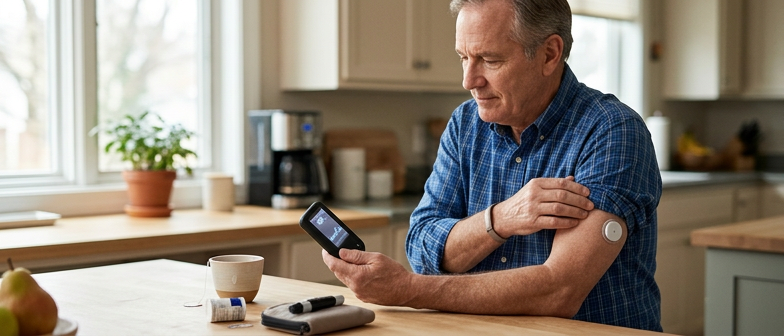
Blood sugar checks once meant a fingerstick meter and a paper log, but newer diabetes monitoring options are reshaping everyday life. For many people with type 2 diabetes, technology now combines small sensors, smartphone apps, and cloud data so numbers are easier to see and share. A modern diabetes monitoring device can show patterns across meals, exercise, work shifts, and sleep instead of just a few single readings. This shift from occasional snapshots to a more complete picture helps people and their care teams adjust food choices, medications, and activity more precisely and safely.
These advances matter for both long‑term health and daily convenience. Type 2 diabetes technology is moving toward tools that demand less effort while giving more insight, such as systems that send alerts before levels go too high or low. For people using insulin, including those using continuous sensors, this can reduce fear of unexpected swings and make it easier to stay active, travel, or manage busy schedules. As devices become more connected, more accurate, and easier to afford, choosing a monitoring device is no longer just about getting a number but about finding a digital partner that fits someone’s lifestyle, budget, and treatment plan.
For many years, the standard diabetes monitoring device was a basic blood glucose meter that required several fingersticks a day. You placed a drop of blood on a test strip, inserted it into the meter, and used the reading to guide food, activity, or medication. These tools remain common because they are portable, familiar, and often the most affordable blood sugar monitoring tools, especially for people with type 2 diabetes who check only a few times daily. Still, fingersticks can be painful, time‑consuming, and easy to skip, which makes it harder to see patterns and keep glucose within your target range.
Newer type 2 diabetes technology builds on these meters by adding connectivity, sensors, and apps that track glucose data automatically. Many connected meters send readings to a smartphone so you can see trends, share reports with your care team, and link glucose results with insulin, meals, and physical activity. Some systems pair with continuous sensors under the skin, reducing routine finger pricks and providing alerts when levels go too high or too low. In the United States these connected monitors are regulated as medical devices, and federal agencies review them for accuracy, safety, cybersecurity, and labeling, while professional guidelines help clinicians choose which option fits a person’s daily diabetes care.
| Monitoring approach | Comfort and convenience | Typical use | Tech features | Who it suits best |
|---|---|---|---|---|
| Basic fingerstick meter | Low comfort, manual steps | Occasional checks, spot decisions | Minimal, stand‑alone device | People prioritizing affordability and simplicity |
| Connected blood glucose meter | Moderate comfort, fewer manual logs | Daily tracking with basic trend review | App syncing, data storage, sharing | Users wanting simple Type 2 diabetes technology |
| Meter plus cloud‑linked app | Moderate comfort, streamlined logging | Pattern review across meals and activity | Cloud reports, care‑team sharing | People managing lifestyle changes on a budget |
| Sensor‑based monitor with meter backup | Higher comfort, fewer fingersticks | Frequent checks, alerts for highs and lows | Continuous data, notifications, integrations | Users needing closer tracking and safety alerts |
For people comparing diabetes monitoring options on a tight budget, cost usually starts with the meter and test strips. Many basic blood glucose meters are inexpensive or discounted, but the long‑term expense is the strips, so it helps to check insurance coverage, pharmacy discounts, store brands, and any community programs that offer reduced‑cost supplies. These steps can keep daily finger‑stick checks manageable without sacrificing accuracy or safety while you choose a diabetes monitoring device that fits your budget.
If you want to spend less and still see patterns, pair an affordable meter with a simple smartphone app that turns readings into a practical diabetes tracker, showing trends, averages, and high or low values. These tools often cost less than advanced wearables, yet still support conversations with your care team when you rely on FDA‑cleared devices with clear instructions and widely available strips.
Sensor-based glucose systems are changing how people use a diabetes monitor by measuring sugar levels in the fluid under the skin instead of relying on repeated fingersticks. These continuous glucose monitoring tools use a tiny sensor, usually worn on the arm or abdomen, to check glucose every few minutes and send the data to a reader, smartphone, or insulin pump. For many users, they work like a diabetes machine that avoids routine finger pricking, making day-to-day tracking less painful and more convenient while still supporting safe treatment decisions when used correctly.
The best continuous glucose monitoring systems expected in 2026 aim to offer longer sensor wear, fewer fingerstick calibrations, and faster, more reliable alerts for highs and lows. These diabetes monitoring options can show trend arrows and graphs, helping people see how meals, exercise, stress, and medications affect their numbers over hours instead of just at single moments. When paired with smart insulin pens or automated pump technology, sensor data can support more precise dosing, especially overnight or during activities when checking with a traditional meter would be hard.
These monitors that largely avoid finger pricks are especially useful for people with type 1 diabetes and insulin-treated type 2 diabetes who need frequent checks, night-time alarms, or help preventing dangerous lows. Not every system is right for every person, and some users may still need occasional fingerstick tests to confirm unexpected readings or to meet safety and insurance rules. Talking with a healthcare professional can help you compare different continuous sensors with other diabetes monitoring options, consider costs and coverage, and choose an approach that fits your lifestyle and treatment goals.
When you live with type 1 diabetes, the right continuous glucose monitor should fit smoothly into daily life. A dedicated type 1 diabetes monitoring device needs accurate, real time readings, trend arrows, and alerts you can hear or feel. Check that you can customize alarms for highs and lows, switch to quiet modes, and read the screen easily at night. Many people also look for an app that shows clear graphs and lets you log insulin, food, and activity so your diabetes data stays in one place.
If you use an insulin pump or plan to start automated insulin delivery, focus on how well the CGM links with your pump and other tools. The best CGM systems expected around 2026 aim for simpler connections, fewer calibrations, and longer wear, but comfort and routine still matter. Think about how often you will change sensors, where they sit on your body, whether you want data sharing, and how insurance coverage and training will work with your care team.
For people living with type 2 diabetes, newer tools make daily monitoring more about spotting patterns than reacting to single numbers. Modern type 2 diabetes technology includes connected glucose meters that sync readings to your phone, plus smartwatches and fitness bands that track steps, heart rate, sleep, and reminders to move or take medications. With a diabetes tracker app, you can log meals, activity, stress, and blood sugar in one place and review clear graphs that show how daily habits shape glucose trends over days or weeks. This helps you notice things like a certain lunch causing afternoon spikes or how an evening walk can smooth out bedtime readings, and then share those insights with your care team.
These diabetes monitoring options can match how often you test and how hands-on you want to be. Some people use traditional finger-stick meters paired with an app that organizes results and sends alerts when readings are out of range. Others prefer continuous glucose monitoring systems, which use a small sensor under the skin to track glucose throughout the day and send numbers to a phone or reader, reducing routine finger pricks. Even if you do not wear a continuous monitor, combining a basic meter with digital tracking tools can help you spot trends, plan meals and activity with more confidence, and adjust your routine based on real data.
How are modern diabetes monitors changing daily glucose checks?
They move you from a few fingerstick readings to near‑continuous tracking through phone apps and secure sharing, so you and your care team can see patterns across meals, activity, work, and sleep.
What are the main pros and cons of traditional fingerstick meters?
They are widely available and usually the lowest‑cost option if you test only a few times a day. But they require repeated finger pricks, can be uncomfortable, and give fewer data points for spotting trends.
Can I monitor diabetes without routine finger pricking?
Sensor‑based continuous glucose monitors use a tiny filament under the skin to read glucose every few minutes and send results to a reader, phone, or insulin pump, greatly cutting back on daily fingersticks.
What should someone with type 1 diabetes look for in a monitoring device?
Focus on accurate real‑time numbers, clear trend arrows, customizable high and low alerts, quiet or sleep modes, and apps that show graphs and let you log insulin, food, and exercise together.
How does newer type 2 diabetes technology help with tracking?
Connected meters, wearables, and diabetes tracker apps combine glucose with steps, sleep, and meal logs so you can see how specific foods or walks affect your numbers and then review those patterns in clinic.