
x
From the first safety briefing on a training rig to late‑night shifts offshore and, eventually, a technical leadership role, every move in this industry is shaped by who opens the next door. Specialized intermediaries quietly connect operators and candidates, turning scattered openings into coherent, long‑term careers.
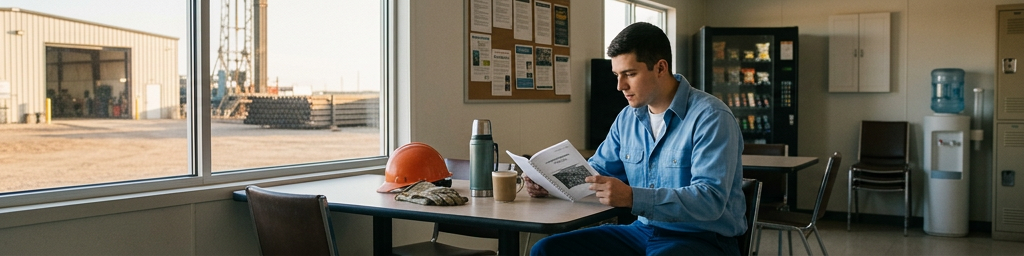
High school and college decisions often decide which staffing teams will notice a candidate later. Math, physics, geology, safety, welding, or instrumentation classes all send different signals. Energy‑focused agencies read transcripts less like paperwork and more like maps: strong lab work hints at problem‑solving; field trips and case competitions suggest curiosity about real operations. Even part‑time jobs in construction, warehousing, or trucking show comfort with physical work and shift schedules. Campus career centers, visiting hiring managers, and industry speakers act as informal scouts, quietly steering promising students toward talent partners that understand drilling, production, and field services rather than generic office work.
Early field exposure rarely comes from one big offer. It shows up as summer helper roles, co‑ops at service yards, data entry stints for maintenance teams, HSE assistant shifts, or instrument‑tagging projects. Local recruiters and regional energy agencies often co‑sponsor these positions with small operators or contractors. On paper they look junior; in practice they prove someone can show up on time, follow safety rules, and handle basic tools or software. Those short stints give agencies concrete bullet points they can sell later: “has worn PPE in real facilities,” “worked rotating shifts,” “documented readings accurately.” That proof separates serious candidates from those who only know the industry from class slides or social media.
Entry‑level job ads often demand offshore time or industry‑specific tickets, which scares off retail or restaurant workers who might actually be ideal fits. Specialized recruiters think differently. They look at reliability in past jobs, comfort with long hours, teamwork under pressure, and willingness to relocate. Construction labor, warehouse roles, delivery driving, or military service all translate into credible starting points. Agencies help beginners focus on realistic goals: not “landing an engineering title tomorrow,” but securing that first paying role inside the ecosystem. Once a candidate has even a few months in a yard, plant, or land rig, hiring managers start seeing them as insiders instead of outsiders.
Before an agency will put someone forward for field rotations, a few basics must be in place: fit‑for‑duty medical clearance, core safety instruction, and proof they understand rules are non‑negotiable. Recruiters often advise which certifications are worth paying for independently and which employers typically sponsor, so beginners do not burn savings on flashy but irrelevant courses. The first real paycheck may come from local yard work, pipe cleaning, material staging, or simple maintenance support. These jobs test punctuality, stamina, and attitude more than technical skills. Performance notes go back to the recruiter, who then upgrades the candidate from “untested” to “field‑ready,” opening the door to offshore or remote land assignments.
Different recruiting channels tend to serve different first steps:
| Pathway type | Common first roles | Best fit for |
| Campus‑linked energy specialists | Internships, junior technologist spots, trainee engineers | Students and recent grads with technical majors |
| Local labor agencies near energy hubs | Yard helpers, material handlers, basic maintenance support | People switching from retail, construction, or warehousing |
| Offshore and rotational talent firms | Green deck crew, catering support, entry HSE observation | Candidates cleared medically and open to remote rotations |
Agencies frequently pass strong performers between these paths. A reliable yard helper may be referred to a rotational firm; a standout intern may be introduced to a higher‑end technical recruiter as graduation approaches.
On a platform, barge, or land rig, early assignments focus on support: cleaning, handling slings, moving equipment, assisting during lifts, logging basic readings, and keeping walkways clear. Supervisors care less about perfect technique at first and more about whether a new hand follows instructions, speaks up about hazards, and treats procedures seriously. Small habits—locking tools correctly, never bypassing guards, maintaining PPE—get reported back to agencies. Candidates who finish several hitches without incidents and with good feedback quickly move onto the recruiter’s “trusted” list, making them first in line for longer contracts, raise‑eligible roles, or cross‑training into mechanical, electrical, or fluids support positions.
Recruiters maintain living profiles, not static resumes. After each assignment, notes accumulate: teamwork, safety focus, initiative, interest in learning specific systems. Over time, a pattern emerges, and agencies start nudging workers toward roles that match their strengths. Someone who naturally documents details may be steered into data recording, maintenance planning, or HSE observation. Another who thrives around heavy gear might be pushed toward crane assistance, floor operations, or well‑service support. Many of these openings never appear on public boards; a contractor simply calls an agency requesting “a couple of green but reliable hands,” and the ladder advances one rung at a time for those already on the internal shortlist.
The line between rough physical work and engineering support is thinner than it looks. A deck worker who gradually takes on equipment checks, logbook updates, or safety talks is already halfway into a technical support profile. When that same person starts evening classes in drafting, automation fundamentals, fluid mechanics, or project coordination, staffing teams suddenly have a candidate who bridges two worlds. Agencies that serve both field crews and office clients market this mix aggressively: “knows what tools feel like at 3 a.m. in bad weather, and can learn modeling or planning software.” Employers value such hires because they reduce the gap between design intent and what actually happens in the field.
Most people do not leap straight from floorhand shifts into high‑level design. Transition usually runs through hybrid positions: workshop technician, field service representative, maintenance planner, operations coordinator, or technical sales support. These roles still leverage hands‑on familiarity with valves, pumps, hoists, instrumentation, or drilling equipment, but add scheduling, documentation, and customer interaction. Recruiters often suggest these moves as soon as they notice a candidate comfortably explaining field issues over email or in meetings. Each step shifts the balance: slightly less time in steel‑toed boots, more time with drawings, spreadsheets, and troubleshooting calls.
Career direction changes over time. Someone who once chased every offshore hitch might later prioritize steady weekday schedules; another may crave international assignments after years in one basin. Recruiters specializing in this industry maintain broad networks to accommodate such shifts. They track which clients offer Monday‑to‑Friday coordinator roles, which teams sponsor further education, which offices handle planning for large drilling campaigns, and which projects welcome workers with strong field backgrounds but growing technical skills. Regular conversations about goals—less rotation, more project work, eventual engineering licensure, or supervisory tracks—let agencies line up next steps before a worker even starts looking at public postings.
Many long careers start in tiny storefront recruiting offices near refineries, ports, or equipment yards. These local teams place people in day shifts, weekend outages, and turnaround projects. They also flag standouts to regional and national partners. Over time, a candidate’s name may move from a spreadsheet in a small town to a national energy‑focused database. At that stage, opportunities widen: fly‑in/fly‑out rotations, large multi‑rig campaigns, multi‑month construction projects, or long‑term maintenance programs. The worker might still feel like they are just taking “the next gig,” but behind the scenes, they have shifted into a pool that supplies crews across multiple basins and, eventually, across borders.
Because agencies play such different roles, selecting who to work with matters almost as much as building skills.
| Career stage | Useful recruiter focus | What to look for |
| Exploring first industry steps | Local labor and campus‑linked offices | Clear safety expectations, honest talk about starting roles |
| Ready for remote or offshore work | Rotational and marine‑focused firms | Guidance on medicals, realistic rotation patterns, support while on hitch |
| Aiming at technical or leadership paths | Energy‑specialist professional recruiters | Knowledge of hybrid roles, support for relocation, interest in long‑term planning |
Staying in touch, updating certifications, and being candid about preferences—rotational vs. weekday schedules, willingness to relocate, appetite for further study—turns those recruiters from one‑time gatekeepers into long‑term allies. Step by step, they help convert scattered contracts into a recognizable career arc, from classroom and local yard to rig floor, technical office, and beyond.
How can I get oil and gas jobs without experience in the US?
Start with internships, field technician or roustabout roles, safety assistant jobs, or temp contractor work; get basic safety certifications and network with local energy companies and campus career centers.
What do recruitment and selection jobs in the US typically involve?
They focus on sourcing candidates, screening resumes, conducting interviews, coordinating offers, using ATS software, advising hiring managers, and tracking metrics like time‑to‑hire and quality‑of‑hire.
Are there entry‑level oil and gas jobs in Texas suitable for career changers?
Yes, roles like lease operator, entry‑level field technician, mud logger trainee, warehouse associate, and HSE assistant often hire motivated candidates with technical aptitude and willingness to travel.