
x
You notice yourself nudging the volume higher, leaning in during conversations, or dreading group dinners because following every word feels like work. Calling a clinic can feel like a big step. Knowing what happens from the first phone call to reading your results can make that step feel calmer and more familiar.
One of the clearest warning signs shows up in everyday talk. You find yourself saying “What?” or “Can you say that again?” more than you used to, even when the room is quiet. Friends and family might sound like they are mumbling, or their words blur together so you catch only parts of a sentence.
You may start filling in the blanks from context: laughing when others laugh, guessing at missing words, or nodding along so you do not slow the group down. That mental juggling act takes effort. By the end of a family gathering or a work meeting, you feel drained because listening itself takes so much focus.
This “listening fatigue” is a big clue. When your ears are working harder just to keep up with everyday conversations, a local evaluation can show whether there is a change and how big it is.
Another clue hides in your devices. The TV, car stereo, podcasts, or streaming shows all seem too quiet to you, yet everyone else complains they are too loud. You keep nudging the volume up, and others keep turning it down.
You might also begin avoiding places you used to enjoy. Noisy restaurants, social events, open offices, or big family dinners start to feel stressful. You may choose smaller gatherings, sit at the end of the table, or skip outings because you are tired of saying “Huh?”
When those patterns show up across different rooms, devices, and situations, it is less likely to be “bad speakers” and more likely that your ears could use a checkup. A nearby clinic can sort out whether what you are noticing is a mild shift or something that needs more attention.
Walking into a hearing office typically feels no more dramatic than a regular health appointment. You check in at the front desk, share basic details, and fill out a short form about your hearing and overall health.
A receptionist or hearing specialist will ask questions, such as:
This conversation helps the specialist understand your “listening lifestyle”: your job, your hobbies, and exactly when you struggle the most—video calls, phone chats, group dinners, or TV at home. That context shapes the way the evaluation is run and how the results are explained later.
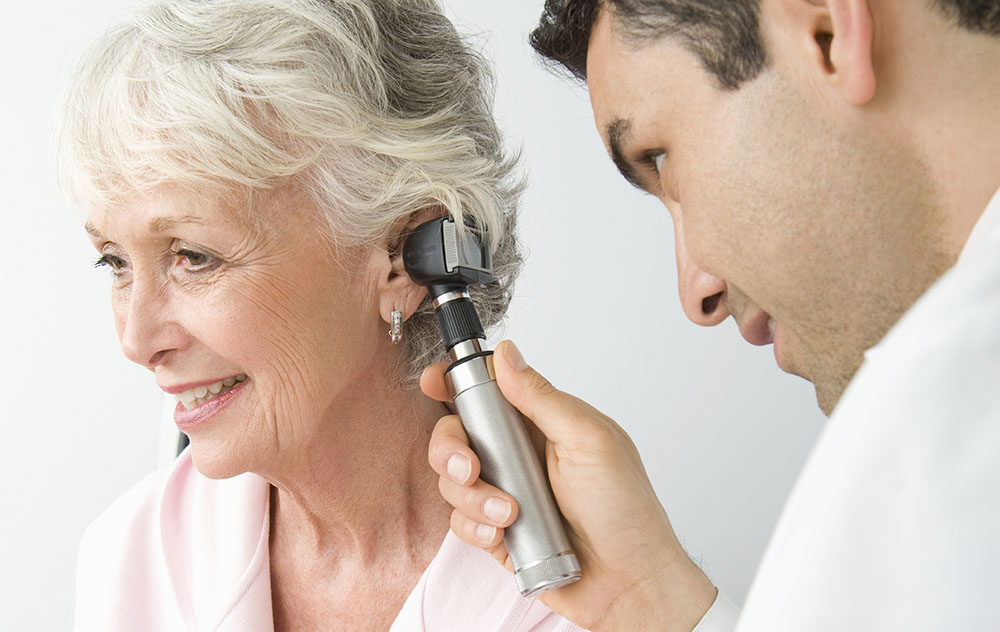
After check‑in, you move to a quiet room or a small enclosed booth. The specialist starts by checking your ear canals with a lighted tool, looking for wax buildup or anything that could change the results.
Then you put on headphones or soft ear tips. The instructions are simple: you will hear a series of sounds and sometimes words, and you respond whenever you hear them.
You might:
When it is over, you step out of the booth and sit down with the specialist to review what the beeps and words showed.
The “beep test” is the classic part many people imagine. Each ear is tested separately. You hear pure tones—simple beeps—at different pitches, from low to high, at gradually softer levels. Your responses are plotted on a chart that shows the quietest sounds you can detect at each pitch.
That picture explains a lot of real‑world moments:
The tones themselves are basic; the pattern they form is what helps connect your experience (“Everyone mumbles”) with what is happening in your ears.
Many local providers go beyond pure tones. Speech tests are common: you hear real words at different levels and repeat what you think you heard. Sometimes there is background sound to see how well you separate a voice from the noise around it.
Some visits also include extra checks, such as:
These pieces can reveal issues that do not always show up clearly on the basic tone chart, such as feeling lost in noisy rooms even when the beeps look fairly typical.
Here is one way specialists think about which pieces to include:
| Situation you describe | Extra checks that may be added | Why they might help |
|---|---|---|
| Voices are clear in quiet but vanish in noise | More speech‑in‑noise tasks | Shows how well you separate speech from clutter |
| Constant ringing or buzzing | Focused questions or ringing‑related questionnaires | Connects loudness and impact on daily life |
| History of loud sound exposure | Detailed tone testing at higher pitches | Looks for early changes in areas often affected |
When you see your chart for the first time, all the lines and symbols can look technical. The specialist’s job is to translate that picture into everyday language. Typically, each ear has its own line. Points nearer the top of the chart represent softer sounds you can still catch; points lower down mean you need sounds to be louder at that pitch.
The overall pattern often lines up with how you describe your experience:
The conversation then moves toward how those patterns affect daily moments: watching shows, chatting at home, driving, joining meetings, or spending time in busy places.
Once your hearing picture is clear, the focus shifts to what would make life easier. That might include communication strategies, technology, or a plan to recheck things in the future. For many people, sound‑boosting devices become part of the discussion.
Different options suit different situations:
| Main concern in daily life | Typical direction the specialist may discuss | Trade‑offs to think about |
|---|---|---|
| Mild struggles mainly in casual settings | Basic amplifying options or simple technology tools | Often easier to try, but fewer fine‑tuning choices |
| Frequent trouble at work or in groups | More customizable devices fitted in‑person | More detailed setup, but more tailored sound |
| Big difference between ears or complex patterns | Closer follow‑up with a hearing professional | Better safety and precision, more appointments |
Nearby centers, clinics, and membership clubs often provide no‑ or low‑cost checks as a starting point. Comfort, sound quality, and how easy something is to use in your routine all matter as much as the numbers on a page.
The real win is being able to follow conversations without strain, enjoy your shows at a volume everyone agrees on, and walk into a busy room without worrying that you will miss half of what is said. A short visit to a local provider can be the first quiet step toward that kind of ease.
How do I choose a trustworthy “hearing test near me” provider in the US or Canada?
Look for clinics with licensed audiologists, real street addresses, and clear details about what the exam includes. Check reviews that mention explanations of results, not just sales. Hospitals, ENT offices, and long‑established hearing centers are usually safer than pop‑up kiosks or “one‑day only” hotel events.
What is typically included in a “free hearing test near me” offer?
Most free hearing tests near you are brief screenings: basic tone checks, simple speech understanding, and a quick look in your ears. They help flag whether a full diagnostic exam is needed but might not satisfy insurance or medical documentation requirements. Ask whether you will receive a copy of your results and if any follow‑up costs apply.
Are online “hearing tests near me free” as reliable as in‑person exams?
Online or app‑based hearing screens can highlight possible issues, especially if you use good headphones in a quiet room. However, they cannot inspect your ears, verify equipment accuracy, or rule out medical conditions. Treat them as a first filter, then confirm any concerns with an in‑person hearing exam near you.
Can I get a hearing exam near me without a doctor’s referral?
In most of the US and Canada, you can book directly with a hearing clinic or big‑box hearing center. Insurance or provincial health plans may have their own referral rules for coverage, especially for children or complex cases. When you call, ask whether a referral changes your out‑of‑pocket costs or available options.
What should I ask during a hearing test near me to avoid feeling pressured to buy?
Before testing, ask whether the appointment is purely diagnostic or sales‑focused and how the provider is paid. Afterward, request a plain‑language explanation of results, a printed audiogram, and time to think. You can always take your test record to a different “hearing test near me” provider for a second opinion.