
x
If you’re looking for private elderly care jobs near you, this guide explains what a private home caregiver actually does and where to find safe, legitimate openings. Learn how to use home care job boards wisely and what to clarify when families hire in‑home help.
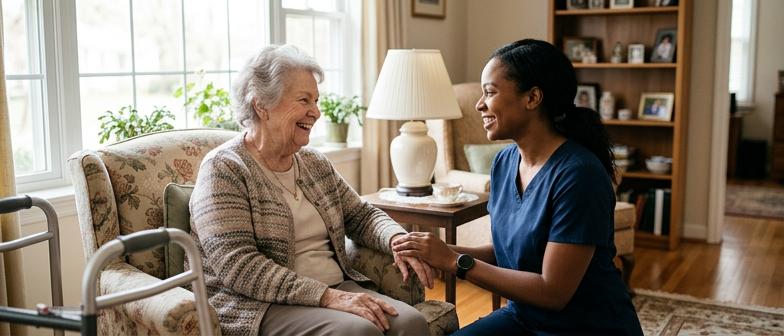
Private elderly care roles focus on one-on-one support for an older adult in their own home, rather than in a nursing facility or assisted living community. As a Private Home Caregiver, you may be hired directly by a family or by an individual senior who wants personalized help with daily living. Compared with many other home care jobs, these private arrangements usually involve building a close, ongoing relationship with a single client, which can make the work more flexible but also tied closely to that household’s needs and schedule. Duties often include help with bathing, dressing, mobility, light housekeeping, simple meal preparation, companionship, medication reminders, and going with clients to appointments, depending on your training and local rules.
These private positions can feel different from agency-based home care jobs, where caregivers follow detailed company policies, rotate between multiple clients, and have a supervisor managing schedules, pay, and documentation. In a privately hired role, you and the family typically discuss duties, pay rates, and boundaries directly, and you may have more influence on routines and care style. To succeed, you need safe transfer and mobility techniques, basic infection control, clear communication, patience, emotional resilience, and respect for the client’s dignity and culture. Reliability, honest recordkeeping, and a willingness to coordinate with relatives and health professionals are also essential, because in private home care you are often the first person to notice changes in the senior’s condition and alert the family when more support may be needed.
In most private elderly care jobs near you, a private home caregiver provides hands‑on personal care such as bathing, dressing, grooming, toileting, and safe transfers. They also make simple meals that fit the care plan, give medication reminders, offer companionship through conversation or walks, handle light housekeeping like dishes and laundry, and watch for changes in mood, appetite, or mobility to share with family or a supervisor.
These duties shift with the home setting and the older adult’s needs. In a private residence, the work centers on one‑on‑one support, daily routines, and privacy, while in senior apartments or shared housing, caregivers coordinate more with building staff or relatives and may also drive or escort the client to appointments, errands, and local activities.
If you are searching for a home care job near you, start with reputable online resources focused on caregiving work. Large employment platforms and dedicated home care job boards let you filter by location, schedule, and type of client so you can quickly find private elderly care positions close to where you live. Many agencies that provide home care close to a client’s residence list openings for companions, personal care aides, and certified aides, and some also post private-duty roles that allow you to work directly with one family. When you create profiles on these sites, highlight any experience with seniors, specialized training, language skills, or certifications, because families and agencies often search by those qualifications first.
Beyond online job boards, local community networks can uncover private home care jobs that are never advertised publicly. Senior centers, faith communities, and neighborhood social media groups often hear about families hiring a caregiver for in-home help and prefer someone local and personally recommended. You can contact small home care agencies or nurse registries to ask whether they know of families seeking a private home caregiver and whether they will connect you directly or subcontract the work. Whenever you respond to a listing for a home care job near you, research the family or agency, be cautious about any request for upfront fees, and insist on a clear written description of duties, hours, and pay before you share sensitive personal information or accept the position.
| Job Search Method | Main Strengths | Key Limitations | Best For | Scam‑Risk Level |
|---|---|---|---|---|
| Large job sites | Wide range of home care jobs | Many non‑care listings | Getting broad view of a home care job near you | Medium |
| Home care job boards | Caregiving‑specific filters | May miss very small employers | Targeting private elderly care roles nearby | Medium |
| Local home care agencies | Screened clients and support | Less control over schedule | New caregivers building experience | Low |
| Direct hire by families | Closer relationship and flexibility | Less formal protections | Experienced private home caregivers | Medium |
| Community and faith networks | Personal referrals and trust | Irregular job flow | Caregivers wanting local word‑of‑mouth leads | Low |
| Neighborhood social media groups | Very local home care close to you | Informal agreements | Finding nearby short‑notice help requests | High |
When you search home care job boards or type a phrase like “home care job near me,” read each posting closely before sharing anything. Check for the employer’s name, location, license or registration if needed, job duties, schedule, and pay range. Be wary of vague ads, offers of unusually high pay for very light work, or pressure to move the conversation off the platform right away. Legitimate private elderly care listings describe specific in‑home tasks and basic qualifications instead of focusing only on fast cash or instant hiring.
When you work as a private home caregiver directly for a family, you step into their daily life in a very personal way. Instead of going through an agency, the family is hiring a caregiver for in‑home help on their own, so expectations are usually discussed face to face and you may have more say in how the job is set up. Many caregivers hear about home care close to me through community groups, faith communities, senior centers, or online postings. Because the care happens in the client’s own space, you become part of the household routine, so reliability, discretion, and respect for family culture matter as much as your hands‑on skills.
Pay and scheduling in these private arrangements are negotiated directly with the family, so clarity up front is essential. Talk specifically about hourly rate, overtime, paid time off, and how many hours per week they truly need, including nights, weekends, or live‑in expectations. Make sure you both understand whether you are an employee or an independent contractor and how taxes will be handled, because that affects your rights and responsibilities. Put the basics about duties, pay dates, schedule changes, and how to end the arrangement in writing so no one is guessing later about what was promised.
Communication and household boundaries are just as important as pay. Before you start, ask who gives you instructions, how to handle disagreements among family members, and what information should be shared by text, phone, or in a written log. Discuss privacy rules, such as whether you may use your phone at work, where you can store your belongings, and which rooms or items are off‑limits. As a private home caregiver, you should also know what to do in emergencies, where medications and important contacts are kept, and how to speak up if the workload or behavior in the home becomes unsafe or disrespectful.
Whether you are hiring a caregiver for in-home help or applying for private elderly care jobs near you, put expectations in writing before work begins. List daily duties such as bathing support, medication reminders, meals, transfers, light housekeeping, and companionship, and note what is not permitted unless the caregiver is licensed. Define the schedule, including weekends, holidays, overtime, and for live-in roles, what counts as on-duty time, sleep, and true off-hours. Agree on hourly or daily pay, guaranteed hours, mileage or errand reimbursement, how and when wages are delivered, and any house rules about visitors, smoking, phone use, privacy, and how changes to the agreement will be made.
What does a private elderly home caregiver usually do?
They give one‑on‑one help with bathing, dressing, grooming, safe transfers, light housekeeping, simple meals, medication reminders, companionship, and may escort clients to appointments, depending on training and local rules.
How can I find home care work close to where I live?
Use major job sites and niche home care job boards. Turn on location filters like “home care near me,” then sort by hours, experience level, and whether you want live‑in, part‑time, or full‑time shifts.
Where can I look online for private in‑home caregiver jobs instead of facility roles?
Choose platforms that list only in‑home positions, such as companion, personal care aide, or private home caregiver. Create a profile that highlights senior care experience, certifications, languages, and preferred schedule.
What should families agree on before hiring a caregiver for in‑home help?
Write down duties, pay, schedule, and house rules. Be specific about allowed tasks, days and hours, holidays, overtime, privacy expectations, visitors, phone use, and how schedule changes or emergencies are handled.
How can I tell if a home care job near me is legitimate?
Confirm a real employer name, address, clear duties, pay range, and basic requirements. Avoid vague ads, anyone asking to move communication off the platform right away, or offers of unusually high pay for little work.