
x
In today’s digitally driven world, success hinges on employing effective digital marketing strategies. Explore the transformative power of working with leading agencies, and discover how utilizing advanced technology and targeted campaigns can elevate your brand. Understanding the landscape is key to enhancing visibility and achieving growth in competitive markets.
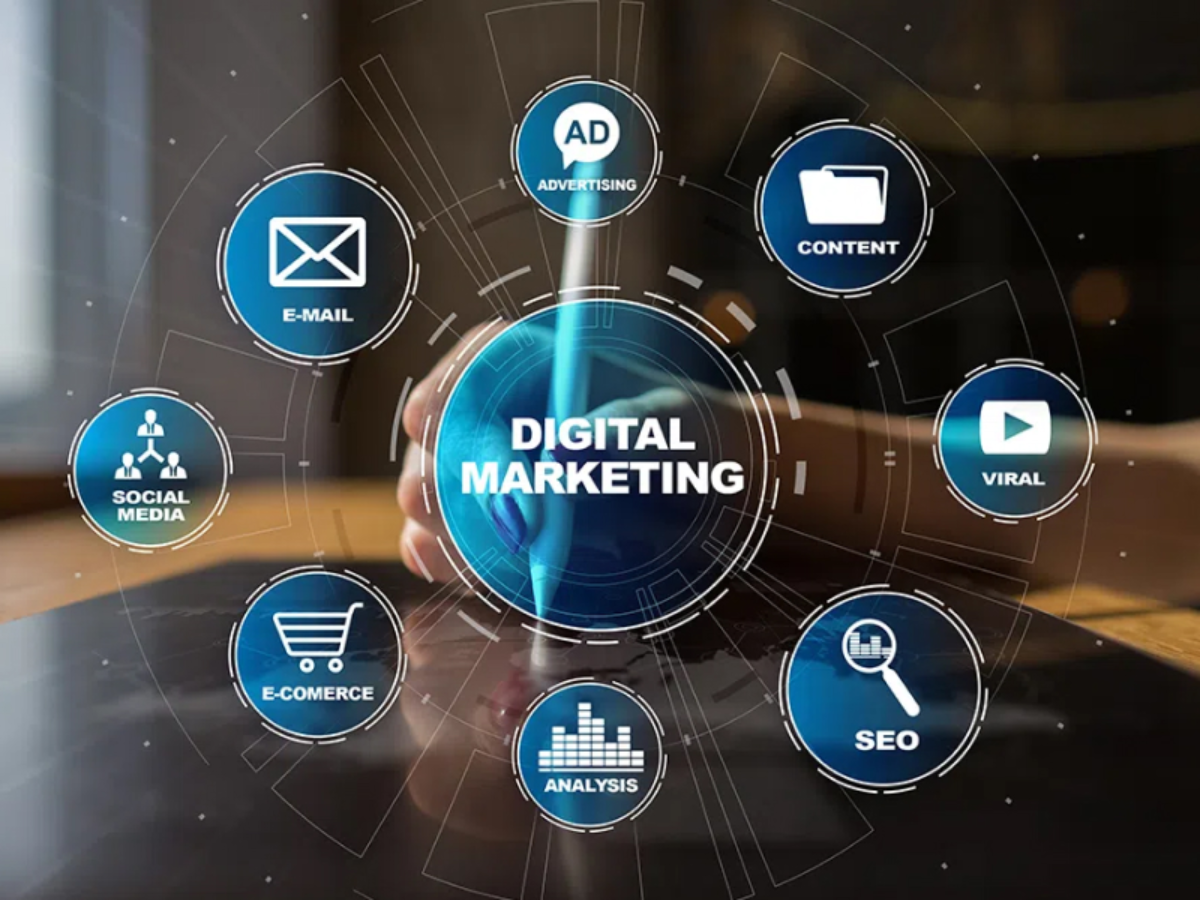
Digital marketing is constantly evolving, and staying ahead requires understanding key strategies. This guide explores the essential elements that contribute to effective digital marketing, from multi-channel integration to the impact of AI and emerging trends. Let’s dive into what makes a campaign truly successful in today's digital landscape.
Effective digital marketing hinges on integrating multiple channels to create a cohesive customer experience. Omnichannel campaigns have proven to be significantly more engaging than single-channel approaches. Data shows a substantial difference in engagement rates, highlighting the value of a unified strategy. In 2025, successful digital marketing strategies emphasize multi-channel integration and AI-driven optimization. Omnichannel campaigns significantly outperform single-channel approaches, achieving a 3.5 times higher engagement rate of 18.96% compared to 5.4%.
Artificial intelligence is transforming digital marketing, offering enhanced efficiency and effectiveness. A large percentage of marketers are now using AI regularly and are seeing positive results, especially in content marketing. Furthermore, AI accelerates content creation and improves personalization, leading to more targeted and impactful campaigns. The incorporation of artificial intelligence into marketing efforts has become commonplace, with 88% of marketers utilizing AI regularly and 71% observing effective outcomes in content marketing. Additionally, AI enhances marketing efficiency by accelerating content creation and enhancing personalization.
Mobile devices continue to dominate digital traffic, making mobile optimization crucial for any marketing strategy. Simultaneously, video content is becoming increasingly important for capturing audience attention and driving conversions. Mobile traffic accounts for a significant portion of all digital traffic, underscoring the need for mobile-first approaches. Mobile traffic remains dominant, accounting for 66.88% of all digital traffic, while video content markedly increases viewer engagement and conversion rates.
Unlock the potential of your online presence with Search Engine Optimization (SEO). This guide explores how SEO drives growth by increasing visibility, attracting targeted traffic, and enhancing user experience. Discover the core strategies and insights to elevate your digital marketing efforts.
Search engines are the primary way people discover information online. A significant portion of online experiences begin with a search, making SEO essential for any business aiming to increase brand awareness and generate leads. By optimizing your website for search engines, you ensure your business is visible when potential customers are actively searching for what you offer.
SEO not only drives traffic but also contributes to conversions. A significant percentage of e-commerce visits originate from organic search. Moreover, SEO is considered by many marketers to be more effective than pay-per-click (PPC) advertising, with a notable lead close rate. Focusing on SEO can lead to higher conversion rates and better ROI.
Effective SEO involves several key components, including keyword research, on-page optimization, and link building. Aligning your SEO strategy with clear business goals, understanding your target audience, and creating high-quality content are crucial. Continuously adapting your approach based on analytics and user behavior ensures sustained online visibility and business expansion.
Pay-per-click (PPC) advertising stands out as a potent tool in the digital marketing arsenal. This strategy allows businesses to connect with potential customers precisely when they're most receptive. Let’s explore how PPC can maximize your return on investment.
PPC's strength lies in its precise targeting. By leveraging criteria like location and interests, businesses can reach users actively searching for their offerings. This ensures ads are displayed to the most relevant audience, increasing the likelihood of conversions and maximizing the impact of every advertising dollar spent.
Google Ads, in particular, highlights the potential for high returns, suggesting an $8 revenue return for every $1 invested. Paid search campaigns average a 200% return, thanks to the ability to make real-time adjustments and implement strategies across platforms like Google, Facebook, and TikTok, continually refining ad performance.
Successful PPC campaigns emphasize the importance of key metrics, such as customer lifetime value and acquisition cost. By focusing on these figures, businesses can ensure sustainable growth and optimize their PPC strategies for long-term profitability. The integration of automation and AI tools further enhances PPC efficacy in the ever-evolving digital marketing landscape.
Understanding your competition is crucial in digital marketing. By analyzing their strategies, you can identify opportunities and threats, refine your own approaches, and ultimately achieve better results in the digital landscape. Let's explore how to effectively analyze your competitors.
Digital marketing encompasses various channels like SEO, PPC, social media, and email marketing . A comprehensive approach involves integrating these channels into a cohesive strategy. Tailoring strategies to specific business goals and understanding your audience are essential for success. Continuous assessment and adaptation are vital in competitive markets.
Measuring the effectiveness of your digital marketing channels is essential. Reallocating budgets based on ROI and expanding reach through targeted demographics can optimize efficiency. Analyzing competitor performance and adapting your strategies accordingly ensures sustained online visibility and business expansion. Continuous improvement is key to staying ahead.
Choosing the right digital marketing channels can feel overwhelming. This blog post helps navigate that complexity. We'll explore key platforms and strategies, focusing on how businesses can make informed decisions to maximize their marketing impact and achieve their specific goals.
In 2025, B2B digital marketing is characterized by integrated solutions. These platforms strategically combine CRM, marketing automation, analytics, and targeted advertising. Leaders like HubSpot, Salesforce, Google Analytics, and LinkedIn Ads often form the core of a company's marketing technology. Choosing the right platform involves understanding how these tools work together.
HubSpot stands out with its all-in-one inbound marketing capabilities. It powers a significant portion of B2B marketing stacks and has a large market share in marketing automation. This shows the platform's impact on how B2B companies approach their digital strategies.
Salesforce remains a key CRM provider, appearing in many B2B stacks. Google Analytics is almost universally used for web analytics and conversion tracking. These platforms provide essential data and insights for optimizing marketing efforts.
LinkedIn Ads is a top choice for B2B paid advertising because of its account-based targeting features. It appears in a substantial number of marketing stacks. This highlights the platform's importance in reaching specific business audiences.
These platforms help solve the channel choice problem by providing unified ecosystems. This streamlines campaign management and performance measurement. Agencies and marketers can optimize their channel selection using integrated data insights and automation. This trend highlights the importance of platform interoperability and data-driven decisions.
Question 1: What is the significance of multi-channel integration in digital marketing?
Answer: Multi-channel integration in digital marketing is important because it creates a cohesive customer experience. Omnichannel campaigns, which combine multiple channels, are significantly more engaging than single-channel approaches. They achieve much higher engagement rates, making them essential for effective digital marketing strategies.
Question 2: How does Search Engine Optimization (SEO) contribute to business growth?
Answer: SEO drives business growth by increasing online visibility, attracting targeted traffic, and enhancing user experience. It ensures that businesses are visible in search engine results when potential customers are actively searching for products or services, leading to more leads and conversions.
Question 3: What are the benefits of Pay-Per-Click (PPC) advertising for businesses?
Answer: PPC advertising offers precise targeting, allowing businesses to reach users actively searching for their offerings, increasing the likelihood of conversions. It enables real-time optimization of ad performance across platforms like Google, Facebook, and TikTok, resulting in high returns on investment.
Question 4: Why is competitor analysis crucial in digital marketing?
Answer: Competitor analysis is crucial because it helps businesses understand the strategies of their competitors, identify opportunities and threats, and refine their approaches. It involves analyzing SEO tactics, PPC campaigns, and engagement metrics, providing insights that can enhance a company's digital marketing performance.
Question 5: What metrics are important for evaluating the effectiveness of digital marketing channels?
Answer: Key metrics for evaluating digital marketing channel effectiveness include customer lifetime value, acquisition cost, and return on investment (ROI). Analyzing these figures helps businesses optimize their strategies for sustainable growth and ensures the efficient allocation of marketing budgets.