
x
Small electric cars are set to revolutionize city transport by 2026 with their affordable pricing and advanced features. As automakers innovate, these compact vehicles promise greener, cost-effective solutions for urban roads. With models boasting improved efficiency and rapid charging, they pave the way for a sustainable driving future.
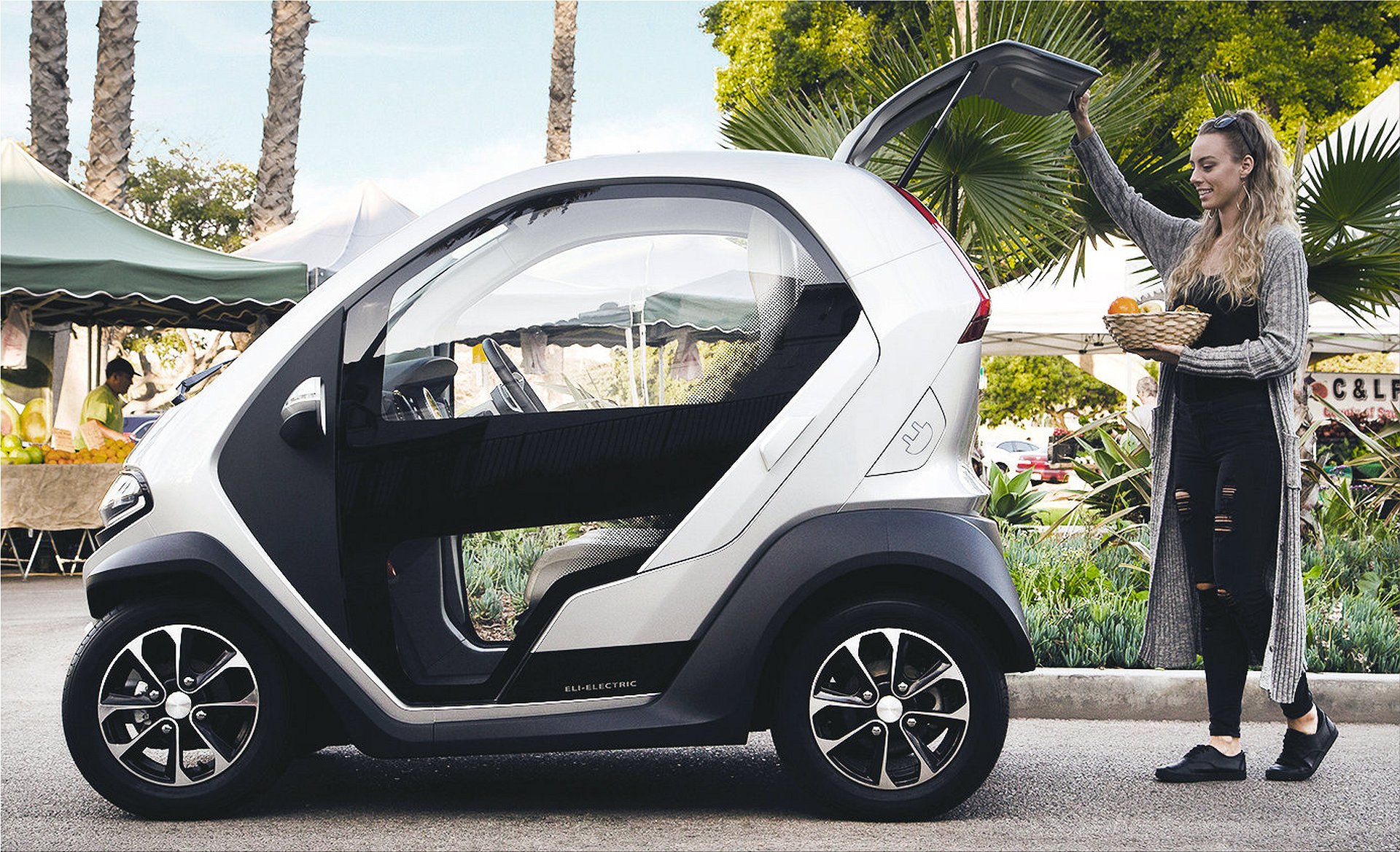
Tiny electric cars are carving out a niche in urban landscapes, offering a practical solution to the challenges of city living. As urban populations grow, the demand for efficient, compact, and eco-friendly transportation options increases, making these miniature EVs an increasingly attractive choice.
The appeal of tiny electric cars lies in their compact size and maneuverability, perfectly suited for navigating congested city streets. These vehicles address the growing need for sustainable transportation, offering a practical alternative to traditional gasoline cars. The projected growth in the Micro EV market reflects this increasing demand.
Beyond their size, tiny electric cars offer considerable cost savings. With lower running costs due to cheaper electricity compared to gasoline, and reduced maintenance needs, these vehicles are budget-friendly. Moreover, they contribute to cleaner air in urban areas, aligning with the growing environmental consciousness of city dwellers.
Ongoing advancements in battery technology are enhancing the appeal of tiny electric cars. Increased energy density and reduced battery costs are making these vehicles more practical for daily use. Additionally, integration with smart mobility solutions, such as ride-sharing and car-sharing platforms, further enhances their utility and accessibility in urban environments.
Tiny electric cars directly address key urban challenges such as traffic congestion and parking scarcity. Their compact design allows them to navigate tight spaces and fit into smaller parking spots. As cities become increasingly crowded, the ability of these vehicles to alleviate these pressures is a significant advantage.
Miniature electric vehicles (EVs) are emerging as a compelling transportation solution, especially for urban dwellers. Their affordability and eco-friendliness make them an attractive alternative to traditional gasoline-powered cars. Let's explore the economic advantages that these tiny EVs offer.
Miniature EVs significantly reduce daily transportation expenses. With lower energy consumption and fewer moving parts, these vehicles offer considerable savings on fuel and maintenance.
Government incentives further reduce the upfront cost of miniature EVs. Many regions offer rebates and tax credits, making these vehicles even more accessible. The automotive market is expected to see a rise in affordable EV models. This increased affordability, coupled with incentives, makes miniature EVs a financially sound choice.
Miniature EVs are particularly well-suited for urban environments. Their compact size makes them easy to park and maneuver in crowded city streets. Moreover, their high battery efficiency translates to more kilometers per kilowatt-hour, maximizing energy use. Several upcoming models are designed for urban efficiency, boasting rapid charging capabilities.
Beyond the economic advantages, miniature EVs offer significant environmental benefits. By producing zero tailpipe emissions, they help improve air quality in urban areas. As the world shifts towards more sustainable transportation solutions, these EVs provide a practical way to reduce your carbon footprint.
The electric vehicle market is rapidly evolving, with projections indicating substantial growth in the coming years. The introduction of affordable and technologically advanced EVs, including miniature models, is expected to drive this growth. These trends suggest a bright future for miniature EVs as a cost-effective and eco-friendly transportation option.
The rise of small electric cars signals a shift towards sustainable urban transportation. These vehicles offer a compelling solution to reduce pollution and promote eco-friendly practices. Let’s explore how these tiny titans are making a big impact on the environment.
Small electric cars significantly lower carbon emissions compared to their gasoline counterparts. By utilizing electricity, especially from renewable sources, they minimize greenhouse gas contributions. Regions adopting micro EVs are seeing considerable reductions in CO₂ emissions.
| Region | Average CO₂ Emissions Reduction by Micro EVs (tons/year) | Noise Pollution Reduction (%) | Battery Manufacturing Emissions (kg CO₂ per kWh) | Renewable Electricity Share for Charging (%) |
|---|---|---|---|---|
| North America | 1.2 | 40 | 120 | 35 |
| Europe | 1.5 | 50 | 110 | 45 |
| Asia-Pacific | 1.0 | 38 | 130 | 25 |
Data Source: Fairfield Market Research, "Micro EV Market Trends, Share, Report 2032" (2025 Edition)
For instance, Europe leads with an average reduction of 1.5 tons of CO₂ per year, showcasing the positive influence of higher renewable energy usage.
Beyond emissions, small electric cars contribute to quieter urban environments. Their electric motors produce significantly less noise than traditional combustion engines, leading to decreased noise pollution. As indicated in the table above, noise pollution can be reduced up to 50% in areas with high adoption rates.
While battery production does generate emissions, advancements are continuously improving their environmental footprint. Innovations aim to reduce the CO₂ emitted during manufacturing and enhance battery lifespan and recyclability. The growing share of renewable electricity for charging further diminishes their overall impact, paving the way for more environmentally sound vehicles.
Small electric cars excel in urban settings, providing efficient and convenient transportation. Their compact size makes them ideal for navigating crowded streets and finding parking, further encouraging their adoption. With models expected to be more affordable, they promise sustainable mobility for a broader audience.
Miniature electric vehicles are poised to revolutionize urban transport. As technology advances, these EVs are becoming more affordable, efficient, and packed with cutting-edge features, promising a significant shift in how we navigate city life. Let's explore some key trends shaping the future of mini EVs.
Future mini EVs will boast significantly improved battery technology. Expect ranges exceeding 400 km and ultra-fast charging capabilities using 800V or higher electrical architectures. These advancements will allow drivers to replenish around 200 miles of range in approximately 15 minutes, addressing a major concern for EV adopters and making them more practical for daily use.
AI-driven features are becoming increasingly common in mini EVs. Integrated voice assistants and advanced infotainment systems will offer a seamless and intuitive driving experience. These smart features cater to the growing consumer demand for connected and sustainable urban mobility solutions, enhancing convenience and safety for drivers and passengers alike.
The mini EV market is seeing a push towards greater affordability. With more models priced under $35,000, electric vehicles are becoming accessible to a wider range of consumers. This trend, coupled with the cost-effectiveness of electric vehicles in urban environments, is expected to drive significant growth in the adoption of mini EVs.
Mini electric cars are poised to reshape urban transportation. With increasing affordability and technological advancements, these vehicles offer a promising solution for navigating congested city streets and reducing environmental impact. Let's explore how these trends are expected to influence urban mobility.
The electric vehicle market is undergoing a significant transformation with the arrival of more affordable models. Several manufacturers are releasing electric cars priced under €25,000, making them accessible to a broader range of consumers and urban fleets. This shift is driven by advancements in battery technology and streamlined production processes, lowering the entry barrier for electric car ownership.
New EVs launching soon, boast improved aerodynamics and powertrains. The expansion of budget-friendly EVs with rapid charging capabilities highlights the environmental benefits and cost savings of small electric cars in urban environments. As technology evolves, these vehicles will continue to offer sustainable transportation options.
The electric vehicle market is projected to experience rapid growth, driven by affordable entry-level EVs and improved charging infrastructure. The increasing availability of charging stations and advancements in battery technology are crucial for supporting the widespread adoption of electric vehicles in urban areas.
Government incentives play a crucial role in promoting the adoption of electric vehicles. Subsidies and grants can significantly reduce the upfront cost of purchasing an electric car, making them more attractive to consumers. These grants encourage the adoption of electric vehicles for commercial use, contributing to cleaner and more sustainable urban logistics.
Question 1: How are tiny electric cars contributing to the urban lifestyle?
Answer: Tiny electric cars are becoming increasingly popular in urban areas due to their compact size and maneuverability. These features make them well-suited for navigating congested city streets, thus addressing the challenges of traffic congestion and parking scarcity. As urban populations grow, the demand for these efficient and eco-friendly transportation options continues to rise.
Question 2: What are the cost benefits of miniature electric vehicles compared to traditional gasoline cars?
Answer: Miniature electric vehicles offer significant cost savings due to their lower operating costs. They consume less energy, provide savings on fuel and maintenance, and benefit from government incentives and purchase incentives. These economic advantages make them a financially sound alternative to traditional gasoline-powered cars, especially in urban settings.
Question 3: What environmental benefits do small electric cars provide, and how do they achieve this?
Answer: Small electric cars significantly lower carbon emissions by using electricity instead of gasoline, especially when charged with renewable energy. They also reduce noise pollution as their electric motors are quieter than combustion engines. These vehicles contribute to improved air quality and quieter urban environments, supporting eco-friendly urban transport.
Question 4: How is advanced technology influencing the adoption of tiny electric cars?
Answer: Advancements in battery technology have improved energy density and reduced costs, making tiny electric cars more practical for everyday use. Integration with smart mobility solutions, such as ride-sharing and car-sharing platforms, further enhances their utility and accessibility in urban environments, supporting their growing adoption.
Question 5: What is the future outlook for tiny electric cars in terms of technology and market trends?
Answer: The future of tiny electric cars looks promising due to ongoing technological advancements, such as improved battery range and ultra-fast charging capabilities. Market trends indicate a shift towards more affordable models, increased government incentives, and expanded charging infrastructure. These factors are expected to drive significant growth in their adoption as a cost-effective and eco-friendly transportation option.
Question 6: How do government incentives support the usage of electric vehicles, particularly miniature EVs?
Answer: Government incentives, such as rebates and tax credits, reduce the upfront cost of electric vehicles, making them more accessible to consumers. These incentives support the broader adoption of miniature EVs by lowering the entry barrier for ownership, encouraging cleaner and more sustainable transportation solutions.